
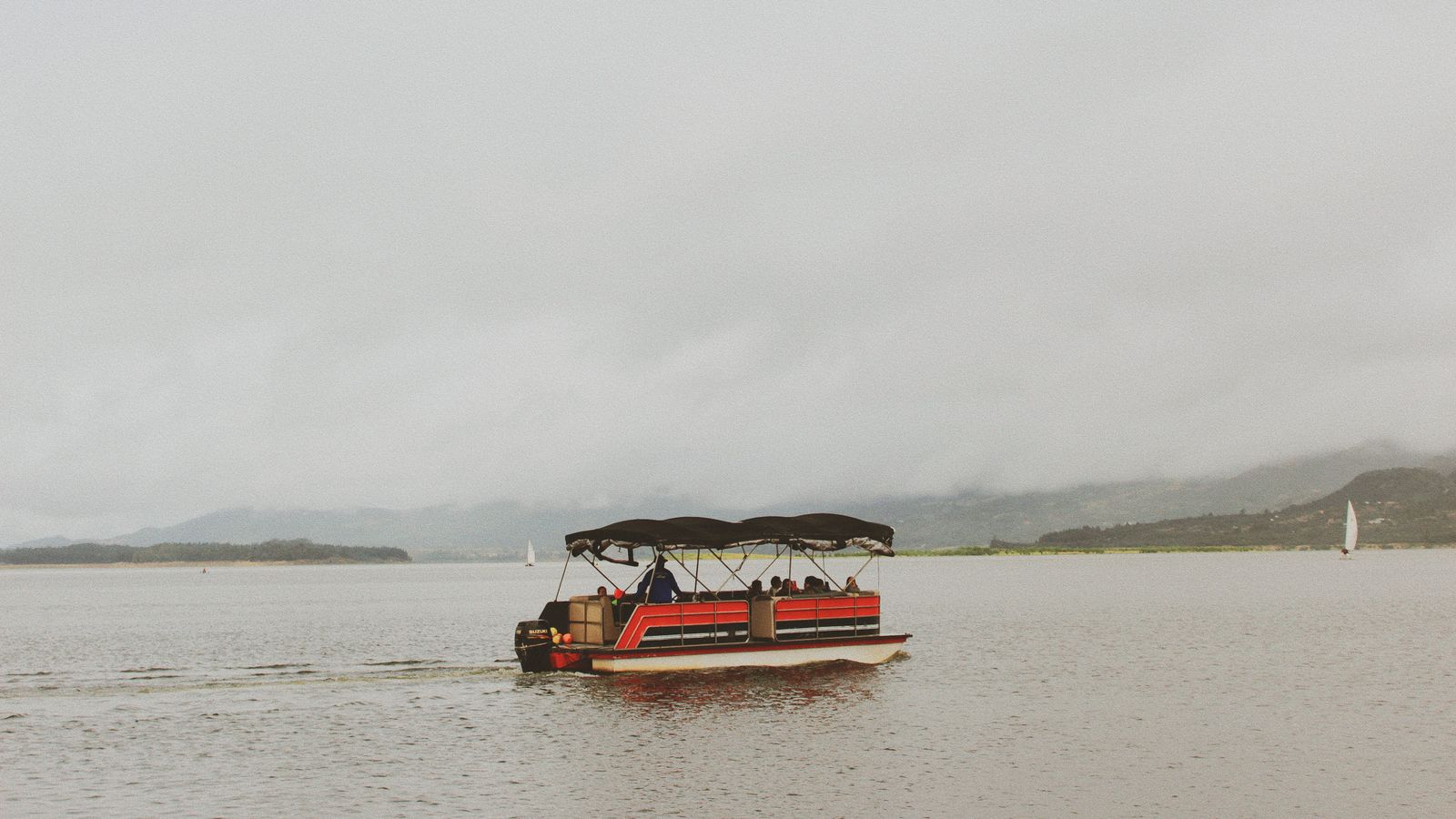
If you're buying a lake home so the kids grow up on the water, the things that matter change. Trophy fishing and deep, open water take a back seat to a gradual sandy bottom, protected swimming areas, and a town nearby with a beach, a clinic, and somewhere to get ice cream on a hot July evening. This guide covers what makes a Minnesota lake genuinely family-friendly — and the lakes that consistently deliver it.
What makes a lake good for families
- A hard, sandy, gradually deepening bottom. Toddlers and new swimmers need shallow, firm shallows — not a soft-muck drop-off. Always wade in during a showing.
- Protected water. A bay or smaller lake stays calmer than an open-fetch shoreline that takes wind and big-boat wake all afternoon.
- Good water quality. Check clarity, algae history, and swimmer's-itch reports on the DNR LakeFinder before you fall in love with a listing.
- A real town nearby. Groceries, urgent care, and rainy-day options matter more than you'd think with kids.
Lakes families love in Minnesota
Gull Lake (Brainerd Lakes). The classic Minnesota family lake — sandy public beaches, resorts, mini-golf, and the town of Nisswa a few minutes away. It's busy in summer, which most families consider a feature.
Detroit Lake (Detroit Lakes). A wide, sandy in-town lake with a long public beach and a walkable downtown. Hard to beat for first-time cabin families who don't want to feel isolated.
Lake Waconia. Under an hour from the Twin Cities, big enough for boating but with calm bays — a strong pick if you want lake life without a long Friday drive.
Pelican Lake and Otter Tail Lake. The Otter Tail County lakes country offers clean water, gentle beaches, and friendly prices compared to the metro lakes.
Lake Melissa. Quieter than neighboring Detroit Lake, with excellent sand and a relaxed, cabin-y feel.
Match a lake to your family
Every family weighs drive time, budget, and "busy resort vs. quiet bay" differently. Our Find Your Lake quiz takes four questions and points you to the lakes that fit, and you can put two or three head-to-head on price, size, and vibe with the lake comparison tool. When you're closer to touring, the buyer's checklist covers the family-specific things to verify — swimming bottom, traffic, and access.
The smartest first step
The agents who specialize in these lakes know which specific shorelines swim well and which bays go weedy by August — detail no listing photo reveals. Get matched with a local lake specialist and tell them you're buying for the family; it's free, and there's no commission to you as the buyer. For the broader fundamentals of evaluating any waterfront parcel, start with 5 things to look for in a Minnesota lake property.