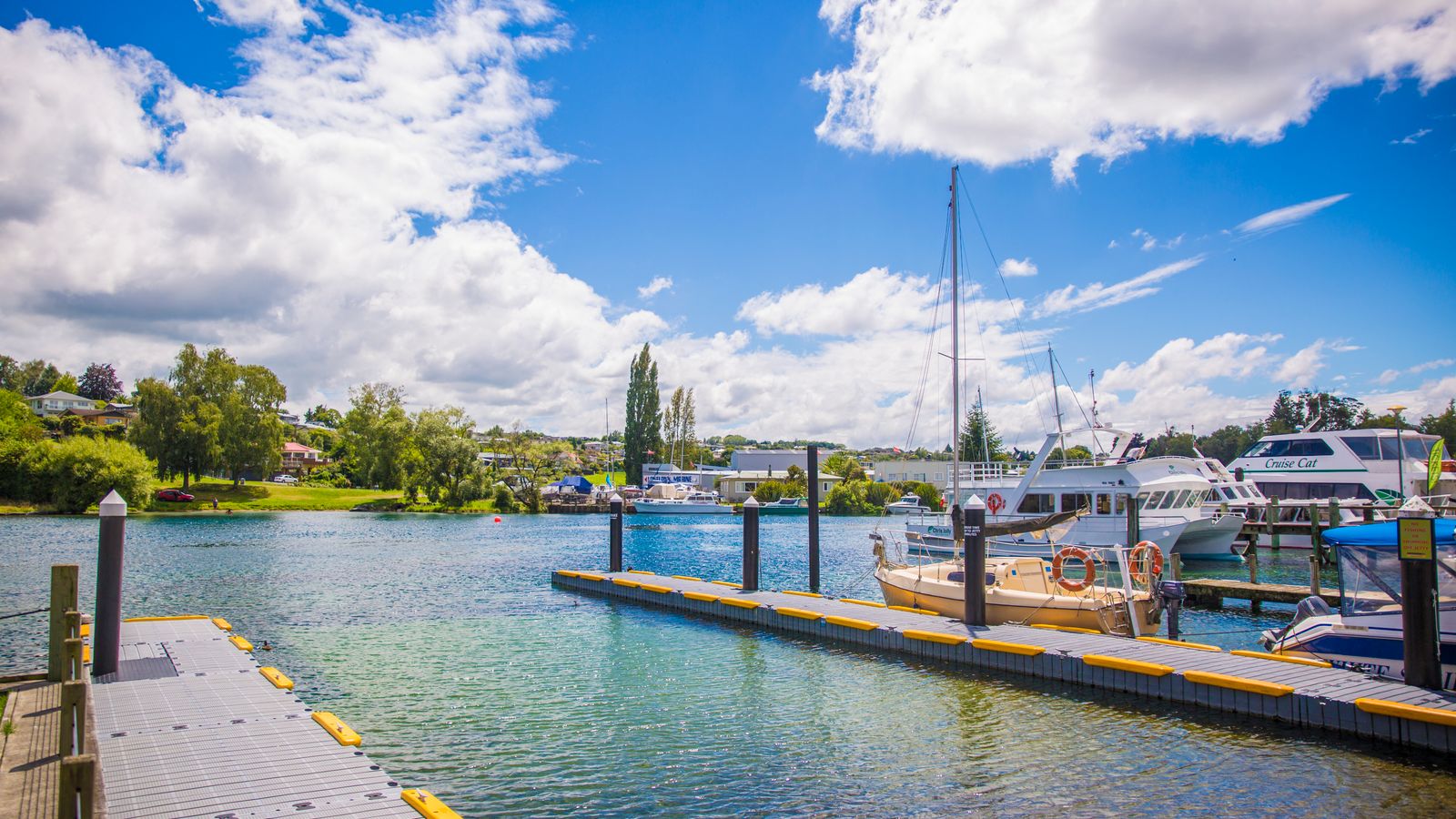
Ask anyone why they bought a lake home and the dock is usually in the first sentence. It is where the mornings, the coffee, the fishing, and the sunsets happen. But docks are also where lake ownership gets surprisingly technical — a tangle of rules, permits, seasonal labor, and real recurring money that first-time buyers rarely see coming. Before you assume the dock in the listing photos is simply "included," it is worth understanding how docks work in Minnesota, what they cost to live with, and what you need to verify before closing.
Do you need a permit?
In Minnesota, many seasonal residential docks that meet standard size and placement rules do not require an individual state permit — but that is not a blanket pass, and you should never treat it as one. Larger structures, unusual configurations, and any work below the ordinary high-water level can trigger permitting, and individual lakes, counties, or conservation districts often layer on their own requirements. The framework is administered through the state's shoreland and public-waters program, and the only safe approach is to confirm the specifics for your exact lake and shoreline. Start with the official guidance from the Minnesota DNR, and always confirm local rules with the county or lake district, since some waters license or regulate docks separately.
The main dock types
Which dock works for you depends on your bottom, your water depth, and how rough your frontage gets. The common Minnesota options:
- Roll-in / wheel-in: common on smaller, calmer lakes; you or a service roll it in each spring and out each fall.
- Sectional / piling: sturdier and better for deeper or rougher water; sections are added or removed seasonally.
- Floating: a good fit for fluctuating water levels and soft, mucky bottoms where posts will not hold.
- Permanent: the most stable option, but also the most heavily regulated and the priciest — and not allowed on every lake.
The costs people forget
The dock itself is one line item; living with it is another entirely. Budget for a boat lift, a possible canopy, and — the expense that surprises people most — seasonal install and removal every single spring and fall, which most owners pay a service to handle. Add routine maintenance and the occasional storm repair, and the dock becomes a genuine annual cost rather than a one-time purchase. These lakefront extras are exactly the kind of thing we fold into the lake mortgage calculator and detail in the true cost of owning a Minnesota lake cabin, so your budget reflects reality, not just the sale price.
How the dock affects what you can do on the water
Your dock is not just a parking spot for a boat — it shapes your entire relationship with the lake. A dock that reaches deep enough water lets you keep a bigger boat on a lift and swim off the end; a short dock over a shallow, weedy flat may limit you to a canoe and a lot of wading. Fluctuating water levels matter too: a dry year can leave a fixed dock high and awkward, while a wet year can submerge a shoreline you counted on. Before you buy, picture the boat and the summer you actually want, then confirm the dock and the water depth can deliver it. This is one of the most common mismatches first-time buyers discover only after closing.
What to verify before you buy
- Does the existing dock transfer, and is it legal? Confirm it is permitted and compliant — not just "it's always been there."
- Lake or association limits. Some waters cap dock length, the number of slips, or require separate licensing.
- Bottom and depth. A soft or shallow bottom changes which dock type even works, and directly affects boating and swimming.
- Setbacks and shoreland rules. Where and how you can place or expand a dock falls under Minnesota's shoreland rules — expansions are not automatic.
- Access type. On a shared-access property the dock question is different again; see lakefront vs. lake-access property.
Get it checked by a pro
Docks, lifts, and shoreline questions sit on our lake buyer checklist for a reason — they are easy to overlook and expensive to get wrong after closing. A local lake agent knows the lake's dock culture, the seasonal service providers, and the county permitting quirks that a general agent from the metro simply will not. Browse listings on the buy page, find a specialist in our agent directory, and if you are new to all of this, start with the first-time lake home buyer guide.
Before you assume that dream dock is yours to keep, get it verified. Get matched with a vetted local lake agent — free — one who knows your lake's permitting rules and dock culture inside out.