Here is something first-time buyers learn the hard way: two lakes ten miles apart can have completely different water. One is gin-clear with a firm sandy bottom you can wade for a hundred feet; the other weeds up by early July and turns a soupy green by August. Since the water is the whole reason you are paying a premium for lakefront, learning to read it is one of the highest-value skills you can build before you make an offer. This guide walks through the four things that actually determine lake water quality in Minnesota and how to check each one for free.
Why water clarity varies so much
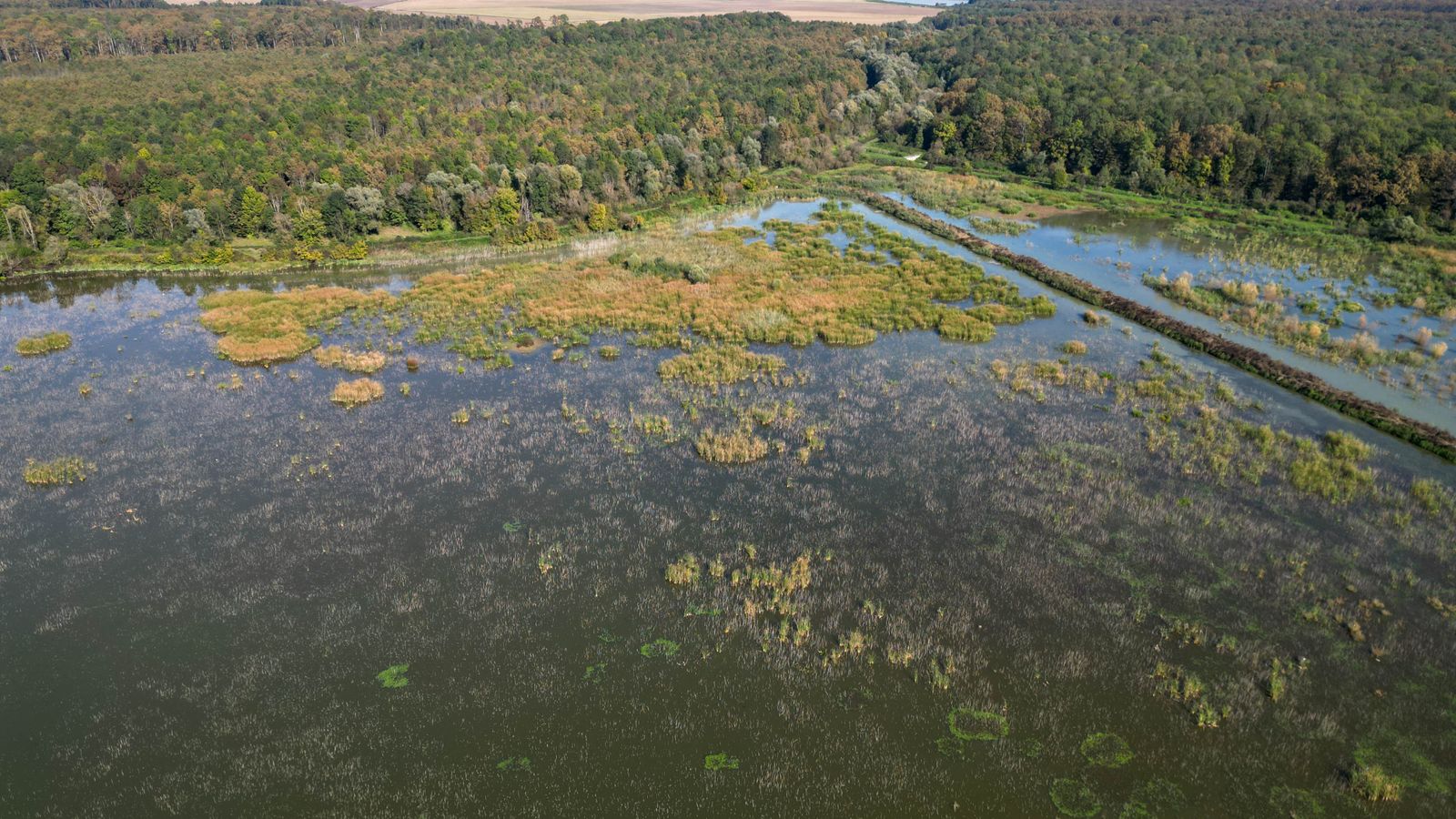
Clarity is driven by three things: depth, the surrounding watershed, and nutrient load. Deeper, spring-fed lakes with rocky or sandy basins tend to stay clear because cold water holds fewer algae and the bottom does not stir up easily. Shallow lakes warm quickly in summer, and warm nutrient-rich water is exactly what algae blooms feed on. A lake ringed by farm fields or heavy development often carries more phosphorus runoff than one surrounded by forest and wetland.
You do not have to guess. Every lake in the state has public depth, clarity, and fish-survey data on the Minnesota DNR LakeFinder. Pull it up before every showing and note the average depth and any clarity readings. Then use our side-by-side lake comparison tool to line up your finalists on the numbers that matter, not just the listing photos.
Weeds, algae, and the bay you are actually buying
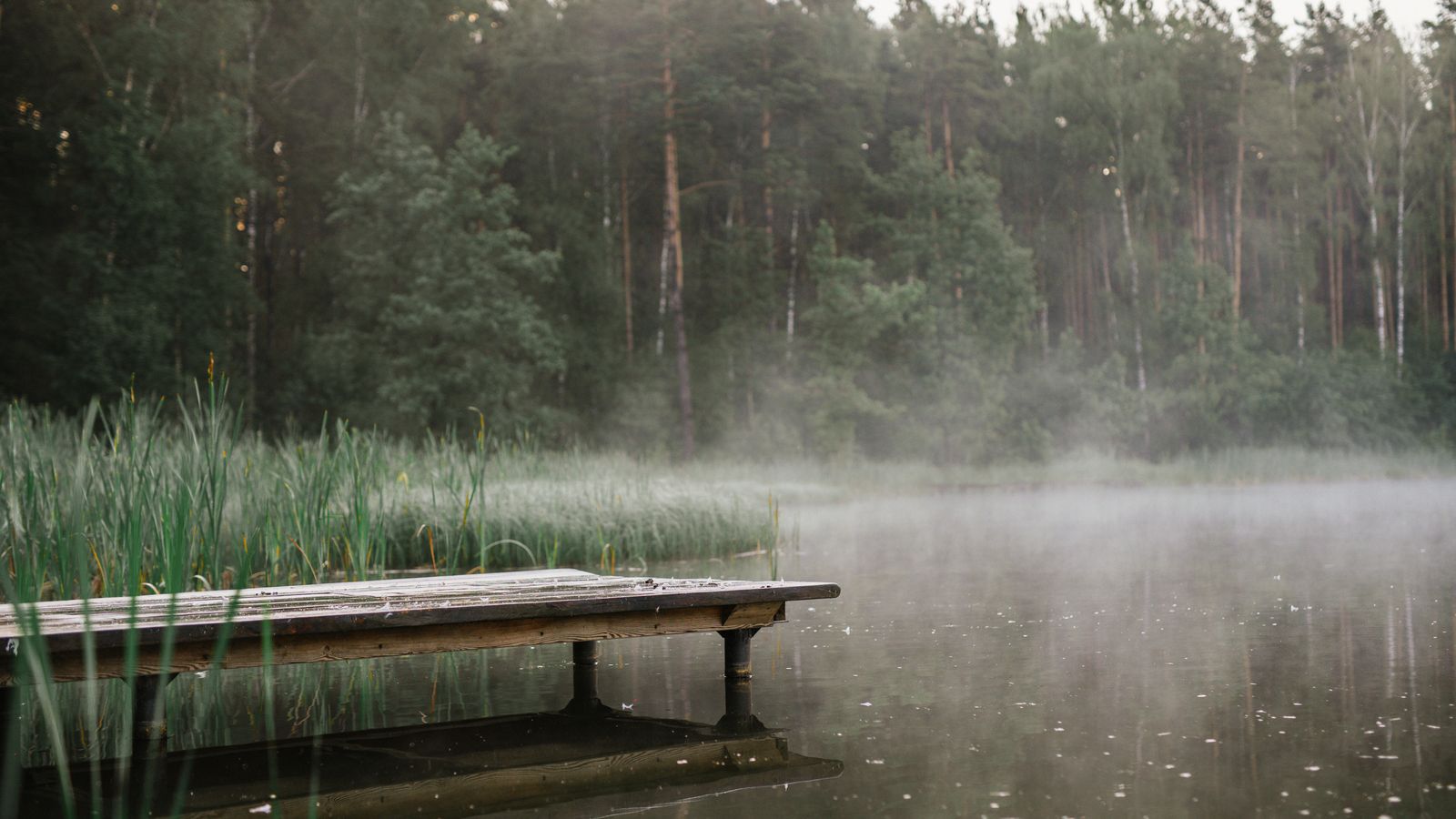
Aquatic plants are normal and even healthy — they oxygenate the water and hold the fish. But heavy weed growth directly in front of your dock affects swimming, boating, and resale value. The key is to ask about the specific bay or frontage, not the lake as a whole. A protected back bay is calmer and warmer for kids, but it is almost always weedier than open, wind-exposed frontage. A point or a stretch with good wind fetch stays cleaner but is choppier on a breezy day.
- Visit twice. If you can, see the frontage once in spring and once in late summer. Weeds and algae peak in August, so a June showing can hide the worst of it.
- Ask the neighbors. They will tell you honestly whether the bay blooms, whether the county treats weeds, and how the bottom feels underfoot.
- Check the bottom. Sand and gravel mean easy swimming and a firm dock footing; a soft muck bottom means silt, weeds, and a harder sell later.
Bottom type and exposure change your day-to-day life on the water more than almost anything else, so put them near the top of your lake buyer checklist.
Aquatic invasive species (AIS)
Zebra mussels, Eurasian watermilfoil, and starry stonewort are present in many Minnesota lakes and spread between them on boats and trailers. AIS does not automatically tank a lake's value — plenty of desirable, expensive lakes are on the infested-waters list — but it changes the reality of ownership. Zebra mussel shells are sharp enough that many families keep water shoes on the dock, and dense milfoil can choke a channel. Know the status going in rather than discovering it after closing. The DNR maintains a public infested-waters list, and a good local agent will know a lake's AIS history cold.
Bring water quality into your search
Clear, deep water is a big part of why marquee lakes like Vermilion, Gull, and Christmas Lake command what they do — and why two otherwise similar lots can be priced worlds apart. Water quality should sit alongside the other big decision factors covered in how to choose a Minnesota lake, and it interacts with the rules covered in shoreland rules before you buy, since shoreline vegetation and buffers affect both clarity and what you are allowed to do at the water's edge.
If you are early in the process, take our Find Your Lake quiz to weight clarity and fishing against your budget and drive time, then read the 2026 guide to buying a cabin in Minnesota and the first-time lake home buyer guide to see how water quality fits the full purchase. Anglers should also cross-check the fishery in our best bass fishing lakes and best walleye lakes guides, since clarity and species tend to move together.
Ready to buy on water that stays clear? Get matched with a vetted local lake agent — free — who knows firsthand which lakes hold their clarity, which bays weed up, and where the AIS lines fall. There is no cost and no commission to you.