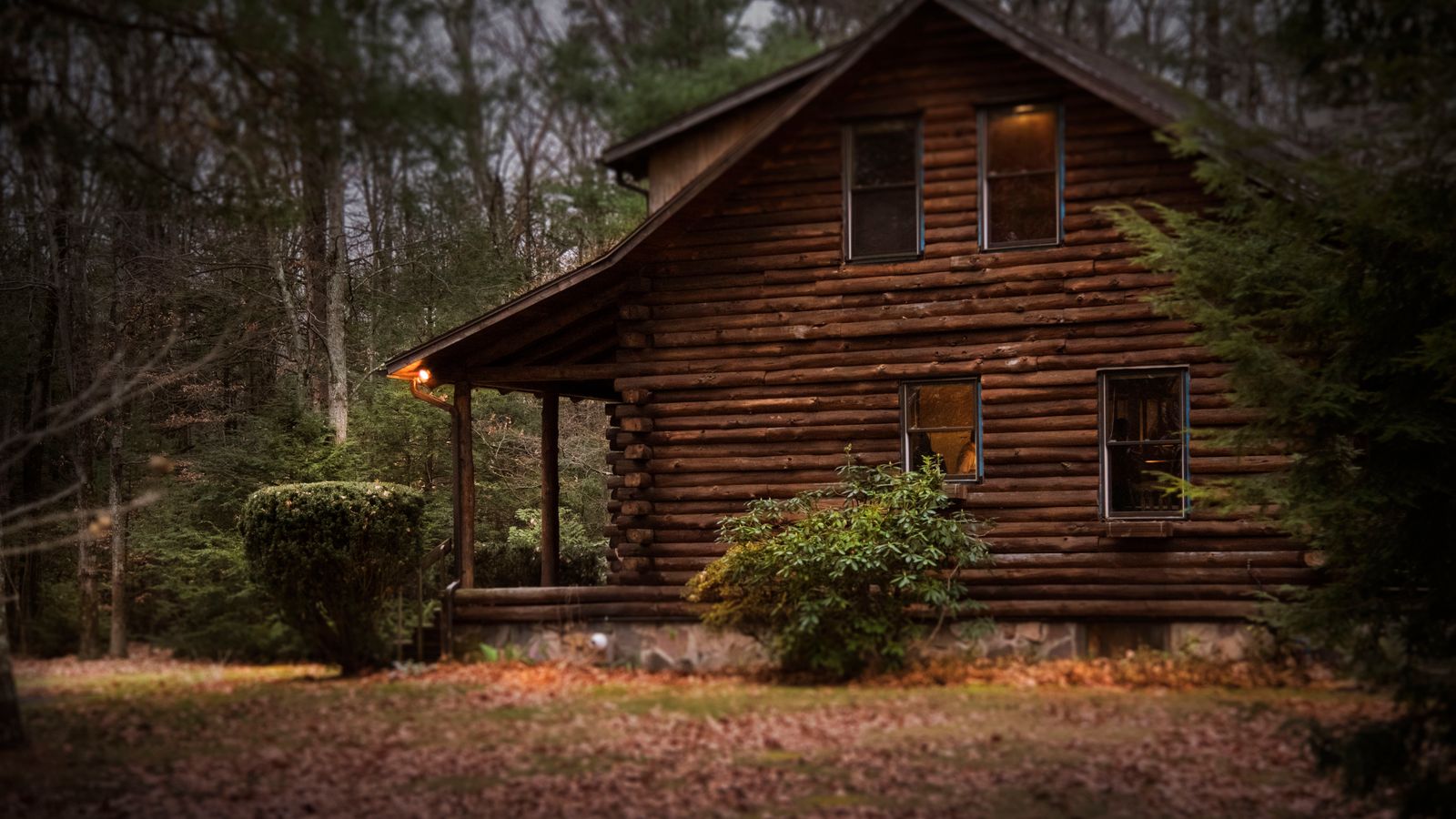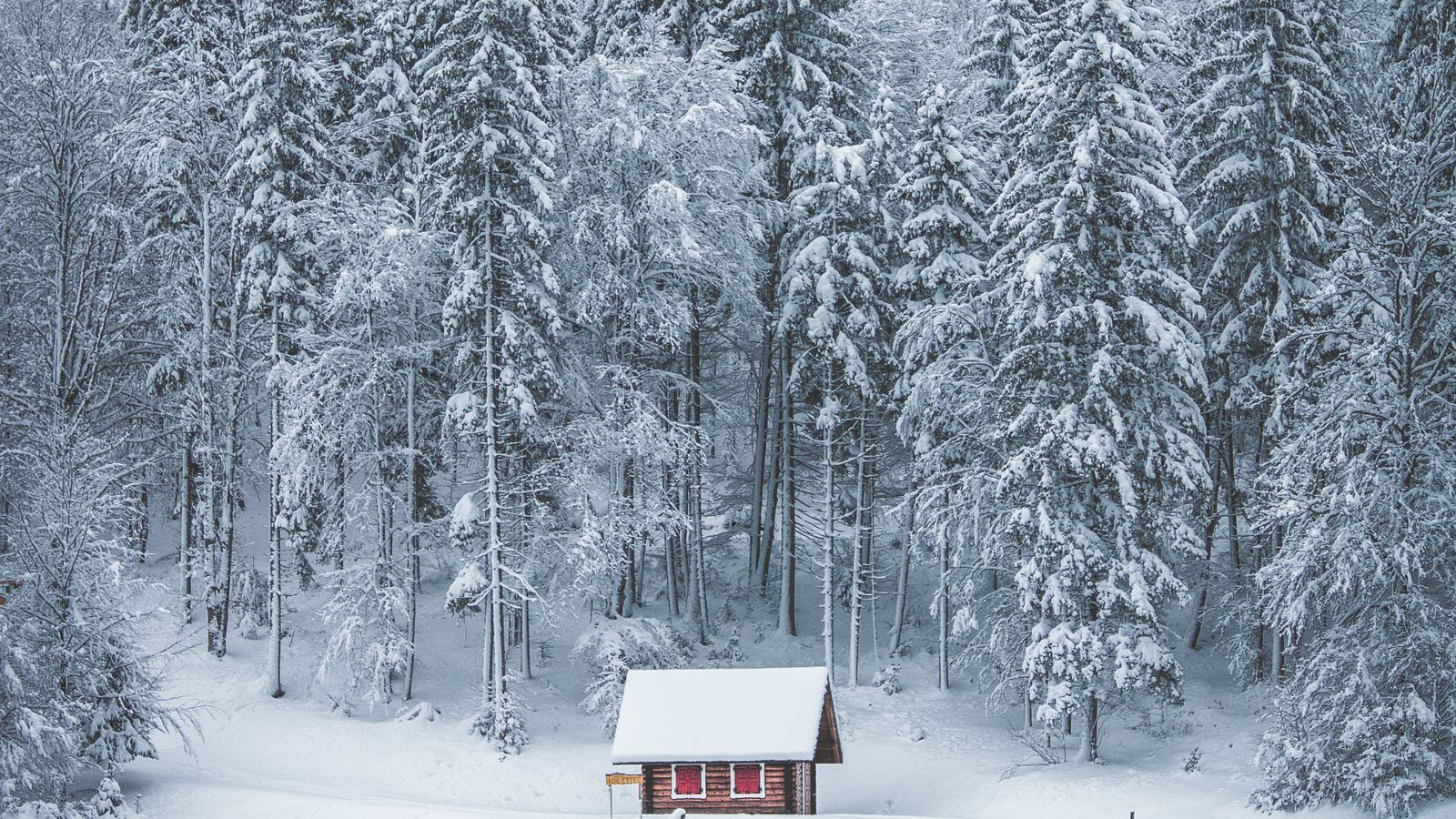
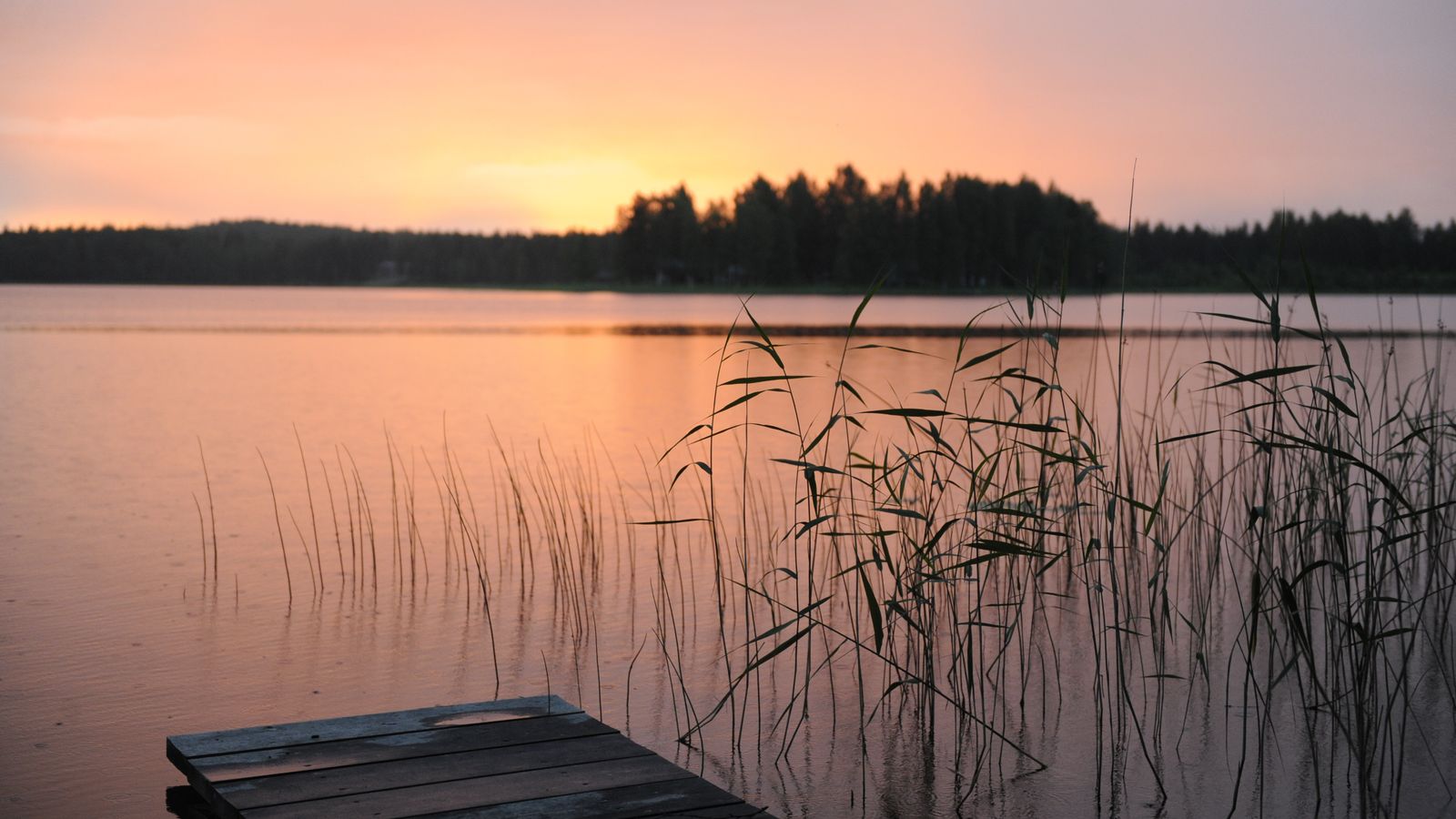
For a lot of Minnesotans, the lake cabin and retirement are the same dream. But retiring on a lake is different from owning a summer place: the cabin becomes your everyday home — in February as much as in July. Buy with that full-year reality in mind and a lake retirement is genuinely hard to beat: morning coffee on the dock, grandkids in the water all summer, and a slower pace you actually have time to enjoy. Buy for July only, though, and the trade-offs show up fast. Here's how to make it a buy-it-once decision you never second-guess.
Year-round living, not seasonal camping
The first mental shift is from "cabin" to "home." That means real insulation, an efficient and reliable heat source, and — critically — year-round road access that actually gets plowed. A charming seasonal cabin on an unmaintained township road is a completely different proposition when it is your only address in a January storm. It also means dependable internet and cell service, which matter more than most buyers expect for telehealth, staying connected with family, and everyday life. Confirm all of it before you fall for the view.
Think about the next 20 years, not just move-in day
The best retirement lake homes are chosen for the people you'll be at 80, not just the ones you are today:
- Single-level living. Walk-out lake lots are often steep. A main-floor primary suite and a manageable path to the water age far better than a four-level cabin perched on a bluff.
- Healthcare access. How far is the nearest clinic, hospital, and pharmacy? In lake country this varies enormously — a lot that's 40 minutes from care feels very different when a health issue arrives. Weigh it seriously.
- Maintenance load. Shoreline, dock, septic, well, and acreage are far more upkeep than a townhome. Be honest about what you'll still want to manage — or pay someone to manage — a decade in.
- Community and services. Groceries, restaurants, an airport within reach, and a real winter population keep a place livable when the summer crowd goes home.
None of this means you have to give up the water you love — it means choosing a lot and a house that will still work for you when climbing stairs or shoveling a long dock path stops being fun. The buyers who do this best tour a candidate property twice, once picturing this summer and once picturing a decade out.
Towns that support lake retirement
Some lake regions pair great water with the services retirees actually use. Areas like the lake towns in our directory — Detroit Lakes, the Brainerd Lakes region, Alexandria, and Bemidji among them — are popular precisely because they balance lake life with year-round infrastructure. If you want a town that works as a primary residence and not just a cabin base, the Alexandria lakes area guide is a strong example of the balance to look for. Match the town to your life, not just the lake to your view.
The money side of a lake retirement
Run the full financial picture before you commit. Build a realistic monthly cost on the lake mortgage calculator, then layer on property taxes — homestead classification matters when the lake home is your primary residence and can meaningfully change your bill — plus waterfront insurance and the ongoing true cost of owning a lake cabin. Many retirees are also selling a current home to fund the lake place; if that's you, start that side early with a real valuation on our sell page. And if you'd ever offset costs by renting the place while you travel, read buying a lake cabin as a short-term rental first — the rules vary by location.
Buy it once, buy it right
A retirement lake home is a buy-it-once decision, which means getting the lake, the lot, and the town right matters more than usual. Take the Find Your Lake quiz to clarify budget, drive time, and vibe, then compare your finalists side by side. Vet each property with the lake buyer checklist, and look up any lake you're considering on the Minnesota DNR for depth, clarity, and fishery data.
Ready to find the lake home you'll grow old on? Get matched with a vetted local lake agent — free, no commission — who understands aging-in-place on the water and will steer you toward year-round, single-level lots in towns with the services you'll actually use.